Debunking Common Myths About Healthy Eating
Introduction
Healthy eating is a term that’s thrown around a lot, but with so much conflicting information out there, it’s easy to fall for some of the biggest nutrition myths. From cutting out entire food groups to believing all fats are bad, these misconceptions can actually hinder your health goals rather than help.
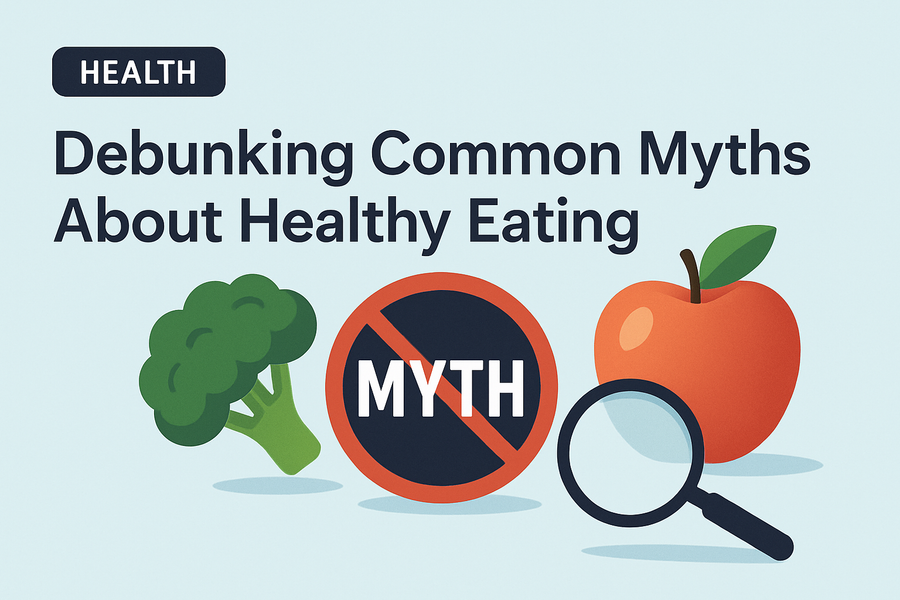
In this article, we’re separating fact from fiction and debunking some of the most common myths about healthy eating. Whether you're trying to lose weight, improve your energy, or just eat more mindfully, knowing the truth behind these myths is key.
Myth #1: Carbs Are Bad for You
The Truth: Carbohydrates have become the villain in many popular diets, but not all carbs are created equal. Whole grains, fruits, and vegetables are all healthy sources of carbohydrates that provide essential nutrients and energy. It's the refined carbs—like white bread, sugary snacks, and soda—that you should limit.
Takeaway: Choose complex carbs over simple ones. Oats, quinoa, brown rice, and sweet potatoes are excellent options.
Myth #2: Fat Makes You Fat
The Truth: This myth has been floating around since the low-fat craze of the ‘90s. But dietary fat is not the enemy. In fact, healthy fats from sources like avocados, nuts, seeds, and olive oil are crucial for brain health, hormone production, and satiety.
Takeaway: Focus on incorporating unsaturated fats and avoid trans fats found in many processed foods.
Myth #3: Eating Late at Night Causes Weight Gain
The Truth: It’s not when you eat but what and how much you eat that matters. Eating late won’t inherently cause weight gain unless it leads to an excess of calories.
Takeaway: Pay attention to portion sizes and food choices throughout the day, including the evening.
Myth #4: All Natural or Organic Means Healthy
The Truth: Just because something is labeled “natural” or “organic” doesn’t automatically make it good for you. Organic cookies are still cookies, often loaded with sugar and calories.
Takeaway: Always read nutrition labels and ingredient lists, regardless of buzzwords.
Myth #5: You Have to Cut Out All Sugar
The Truth: While excessive sugar consumption isn’t healthy, completely avoiding sugar isn’t necessary for most people. Naturally occurring sugars in fruits and dairy can be part of a balanced diet.
Takeaway: Limit added sugars and focus on whole foods for natural sweetness.
Myth #6: Detox Diets Cleanse Your Body
The Truth: Your body already has an efficient detox system—your liver and kidneys. Most detox products lack scientific backing and can sometimes do more harm than good.
Takeaway: Instead of a short-term cleanse, invest in long-term healthy habits like drinking water, getting enough fiber, and exercising regularly.
Conclusion
Healthy eating doesn't have to be complicated, but navigating the sea of misinformation can make it feel that way. By understanding the truth behind these common myths, you can make better, more informed choices that support your health in the long run.
Remember: balance, variety, and moderation are the real superfoods of any sustainable eating plan.