Work-Life Balance in 2026: Can You Really Have It All?
Introduction
As we move deeper into the digital age, the concept of work-life balance in 2026 has taken on new dimensions. With hybrid work models, AI-driven productivity tools, and a growing awareness of mental health, many are asking: is true work-life balance finally within reach—or is it still a myth?
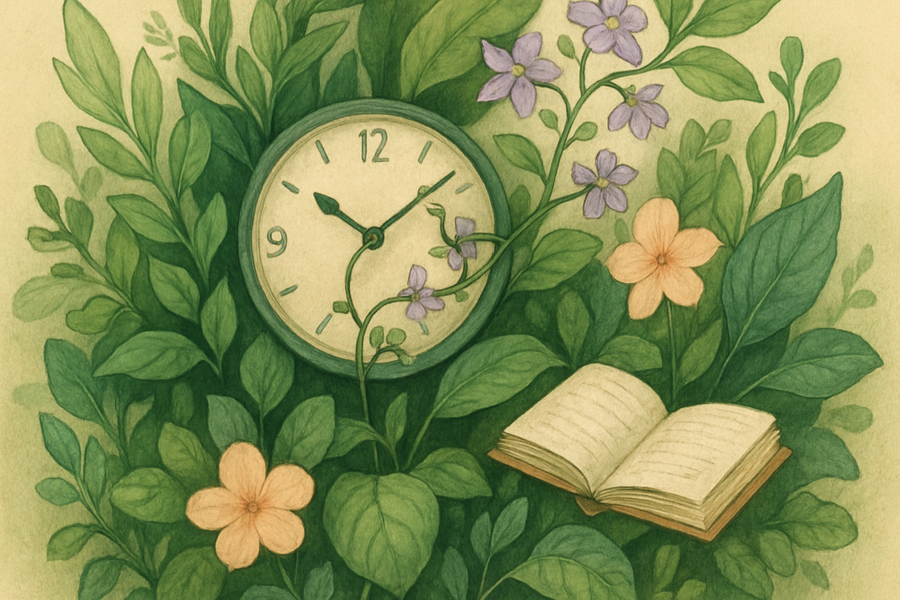
In this blog post, we'll explore the evolving landscape of work-life integration, the technologies making it possible, and practical strategies to help you achieve equilibrium in your daily life.
The New Normal: What Work Looks Like in 2026
The traditional 9-to-5 is becoming a relic of the past. In 2026, employees enjoy more flexible schedules, often working remotely or in hybrid setups. This evolution has been driven by:
- Advanced collaboration tools like virtual reality meeting rooms and AI-scheduled workflows.
- Global talent pools, enabling companies to hire from anywhere and employees to craft schedules that suit their lifestyles.
- Outcome-based evaluations, replacing rigid office hours with a focus on deliverables and results.
These changes have opened up new possibilities but also blurred the lines between work and personal life.
Can Technology Help or Harm Balance?
While technology enables flexibility, it can also tether us to our jobs 24/7. The key lies in how we use these tools:
Helpful Innovations
- AI Assistants: Manage emails, schedule meetings, and provide reminders, saving precious time.
- Wellness Tech: Apps and wearables track stress, encourage breaks, and promote mindfulness.
- Virtual Co-working Spaces: Offer structure and community without the commute.
Potential Pitfalls
- Always-On Culture: Notifications and messages can invade personal time.
- Digital Fatigue: Over-reliance on screens can lead to burnout.
Setting boundaries and utilizing tech intentionally is crucial for maintaining a healthy work-life divide.
Strategies for Achieving Work-Life Balance
Here are some practical tips to help you find harmony:
- Define Your Boundaries: Set clear start and end times for your workday—even when working remotely.
- Prioritize Tasks with Purpose: Use AI tools to filter out low-priority tasks and focus on high-impact work.
- Schedule Personal Time: Block time for exercise, hobbies, and family just like you would for meetings.
- Take Digital Detoxes: Designate tech-free times or weekends to recharge.
- Communicate Openly: Talk to employers and teammates about your boundaries and availability.
Conclusion: Is Balance Possible in 2026?
The answer is yes—but with caveats. Work-life balance in 2026 is no longer about separating work from life; it's about integrating them meaningfully. With intentional choices, smart tech use, and clear boundaries, it's entirely possible to thrive professionally without sacrificing personal well-being.
Ultimately, achieving balance is not about having it all, but about defining what "all" means to you—and making conscious decisions to protect what matters most.