The Evolution of Vehicle Safety Standards by 2025
Introduction
As technology rapidly reshapes the automotive world, vehicle safety standards are evolving at an unprecedented pace. By 2025, advancements in safety systems, regulatory reforms, and the integration of artificial intelligence are transforming how we protect drivers, passengers, and pedestrians alike. This article explores the key developments that define vehicle safety by 2025 and what they mean for the future of transportation.

Smarter Cars, Safer Roads: The Rise of ADAS
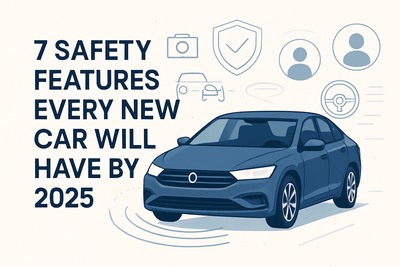
Advanced Driver Assistance Systems (ADAS) are at the heart of modern vehicle safety. By 2025, nearly all new vehicles come equipped with features like:
- Automatic Emergency Braking (AEB): Automatically applies brakes to prevent or mitigate collisions.
- Lane Keeping Assist (LKA): Gently steers the car back into its lane if it starts to drift.
- Blind Spot Monitoring: Alerts drivers to obstacles out of view.
- Adaptive Cruise Control: Maintains safe following distances using sensors and radar.
These systems not only reduce human error—the leading cause of traffic accidents—but also pave the way for increased automation.
The Push for Regulation and Standardization
Governments worldwide are updating safety regulations to reflect these technological advancements. Key changes by 2025 include:
- Mandatory ADAS Features: The European Union and countries like Japan and the U.S. now require crucial ADAS functions in all new cars.
- Updated Crash Test Protocols: New crash test dummies and scenarios account for modern vehicle designs and demographic variations.
- Cybersecurity Standards: Protecting vehicles from hacking is now a core component of safety compliance.
These measures aim to unify safety expectations across the industry and ensure that innovation doesn’t outpace safety.
Autonomous Vehicles: Safety at the Wheel of AI
By 2025, Level 3 autonomous vehicles—where the car can drive itself under certain conditions—are becoming more visible on public roads. These vehicles bring several safety enhancements:
- Predictive Algorithms: Anticipate hazards before they occur.
- 360-Degree Sensing: Use lidar, radar, and cameras to eliminate blind spots.
- Real-Time Decision Making: React faster than human drivers in emergencies.
Though full autonomy remains on the horizon, partial automation already reduces accident rates and sets a precedent for even safer mobility.
The Human Factor: Education and Integration
Technology can only go so far without driver awareness. In 2025, vehicle safety includes:
- Driver Education Programs: Focused on understanding and correctly using ADAS features.
- User Interface Improvements: Designed for easier comprehension and use of safety tools.
- Public Awareness Campaigns: Promoting the adoption of safety-first vehicles.
Manufacturers and governments recognize the importance of educating drivers to complement high-tech systems.
Sustainability Meets Safety
Eco-conscious design now intersects with safety. Lighter materials such as carbon fiber composites must meet rigorous crash standards. Meanwhile, electric vehicles (EVs) are engineered with reinforced battery enclosures and fire protection systems, adding a new dimension to vehicle safety regulations.
Conclusion
By 2025, vehicle safety standards are smarter, stricter, and more comprehensive than ever before. From the integration of ADAS and autonomous technologies to global regulatory efforts and sustainable design, the automotive industry is redefining what it means to be safe on the road. As we move forward, these innovations promise not only fewer accidents but also a safer, more intelligent driving experience for everyone.