Digital Literacy in 2026: Preparing Students for a Hyperconnected World
Introduction
In an era where connectivity defines every aspect of life, digital literacy has become more than just a skill—it's a foundational competency. As we step into 2026, the landscape of education continues to shift dramatically. Emerging technologies, from AI-driven platforms to immersive virtual learning environments, are reshaping how students interact with information and each other. To thrive in this hyperconnected world, students need more than basic tech skills—they need a robust digital fluency that empowers them to think critically, collaborate globally, and adapt rapidly.

The Evolving Definition of Digital Literacy
Digital literacy in 2026 goes beyond typing proficiency or using a search engine. It encompasses:
- Critical thinking and information evaluation: Students must discern between credible sources and misinformation.
- Digital collaboration: With remote and hybrid learning now mainstream, knowing how to work effectively across digital platforms is paramount.
- Data privacy and cybersecurity awareness: Understanding personal data protection and online safety is essential.
- Content creation: From coding to multimedia storytelling, students are expected to be creators, not just consumers.
Why Digital Literacy Matters More Than Ever
The rise of AI, machine learning, and the Internet of Things (IoT) means industries are becoming increasingly technology-driven. For students to stay relevant and competitive, they must:
- Adapt to new tools and software quickly
- Interpret data and automate simple processes
- Communicate effectively through various digital formats
- Understand ethical implications of technology use
These skills are not only valuable in tech careers but are now expected in nearly every profession.
Integrating Digital Literacy Into Curricula
Forward-thinking schools are embedding digital literacy across subjects rather than confining it to computer science classes. Strategies include:
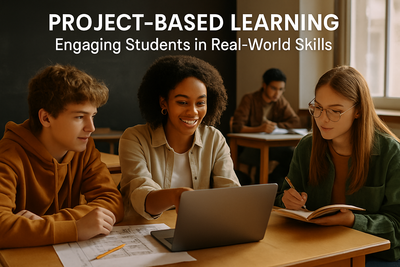
- Project-based learning: Encouraging students to use digital tools to solve real-world problems.
- Cross-curricular integration: Teaching digital skills in science, history, and even physical education.
- Professional development for educators: Teachers need training to confidently guide students in digital practices.
- Student-led tech initiatives: Empowering learners to explore emerging tech like AR/VR or blockchain.
Tools and Platforms Driving Change
Several technologies are accelerating digital literacy development:
- Learning Management Systems (LMS): Platforms like Google Classroom and Canvas streamline communication and resource sharing.
- Coding platforms: Tools such as Scratch, Code.org, and Python Notebooks make programming accessible.
- Virtual Reality (VR) and Augmented Reality (AR): These create immersive learning experiences, enhancing engagement.
- AI tutors and chatbots: Personalize learning and support differentiated instruction.
Challenges and Considerations
As we embrace digital literacy, several challenges must be addressed:
- Equity and access: All students need reliable internet and devices at home and school.
- Digital wellbeing: Balancing screen time and promoting healthy tech habits is crucial.
- Teacher readiness: Continuous professional development is necessary to keep pace with tech evolution.
Conclusion
By 2026, digital literacy is no longer optional—it’s the key to unlocking future opportunities. Preparing students for a hyperconnected world means equipping them with the ability to navigate, contribute to, and innovate within the digital landscape. Educators, parents, policymakers, and communities all play a role in fostering these essential competencies. As we move forward, our collective commitment to digital literacy will shape not just careers, but the very fabric of our society.