Project-Based Learning: Engaging Students in Real-World Skills
Introduction
In today’s rapidly evolving world, education must do more than impart facts—it must prepare students to navigate real-life challenges. Enter project-based learning (PBL), an innovative approach that places students at the center of their education by engaging them in meaningful, real-world projects. Through collaboration, creativity, and critical thinking, PBL transforms classrooms into active learning environments.
What is Project-Based Learning?
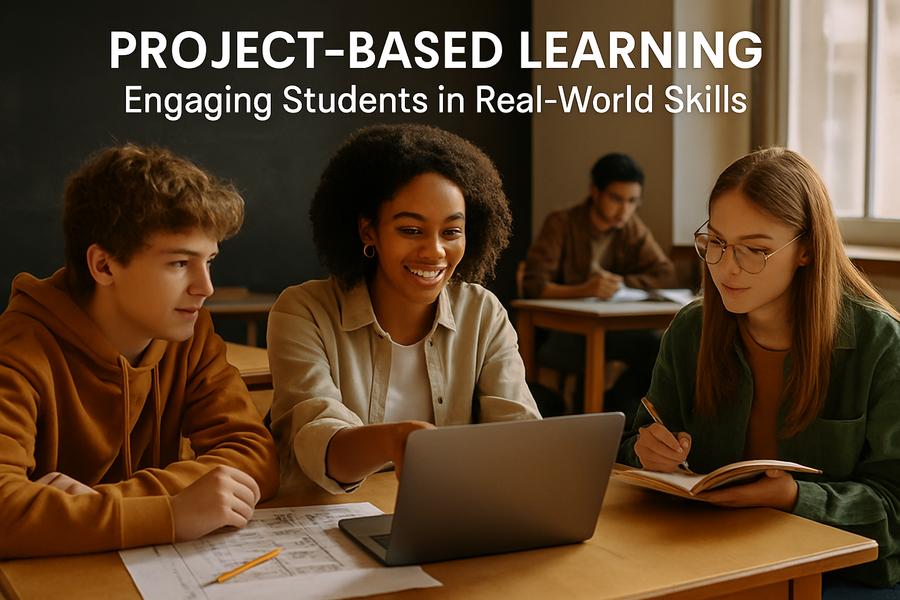
Project-based learning is a teaching method where students learn by actively exploring complex questions or problems over an extended period. Unlike traditional rote learning, PBL encourages inquiry, problem-solving, and applied knowledge. The result? Students become deeply invested in their learning and develop valuable life and career skills along the way.
Benefits of Project-Based Learning
1. Real-World Skill Development
PBL mirrors the challenges of the workplace, helping students build skills like teamwork, communication, time management, and adaptability. From conducting research to presenting findings, learners gain practical experience they can carry into their futures.
2. Deeper Understanding
Students retain information better when they apply it meaningfully. PBL encourages learners to connect academic content with real-world practices, resulting in a richer, more enduring understanding of the subject matter.
3. Increased Student Engagement
When students choose topics that interest them and see the tangible impact of their work, their motivation soars. PBL makes learning relevant and enjoyable, fostering a love for discovery and growth.
4. Enhanced Collaboration and Communication
Working in teams teaches students how to share responsibility, resolve conflicts, and communicate effectively—skills essential both inside and outside the classroom.
Implementing Project-Based Learning in the Classroom
Step 1: Design Authentic Projects
Choose problems that resonate with students’ lives or communities. For example, have students design a sustainable garden for their school or create a marketing plan for a local business.
Step 2: Scaffold the Learning Process
Provide structure through timelines, milestones, and check-ins. Encourage reflection and revision to ensure continuous learning and improvement.
Step 3: Integrate Assessment
Use rubrics, peer feedback, presentations, and self-assessments to evaluate both the process and the final product. This holistic approach emphasizes growth alongside achievement.
Step 4: Showcase the Work
Let students present their projects to peers, parents, or community members. Exhibiting their work boosts confidence and shows students the real-world value of their efforts.
Real-Life Example
At a middle school in California, students tackled the issue of food insecurity. They researched local needs, collaborated with food banks, and created awareness campaigns. As a result, not only did they learn about civic responsibility and health, but they also made a tangible difference in their community.
Conclusion
Project-based learning isn’t just a trend—it’s a transformative educational strategy that empowers students to think critically, act responsibly, and solve real-world problems. By embracing PBL, educators can foster engaged learners ready to thrive in an ever-changing world.
Whether you're a teacher looking to revamp your curriculum or a parent curious about progressive education models, project-based learning offers a compelling path to meaningful, skill-rich education.