Inflation in 2025: How to Protect Your Purchasing Power
As we head deeper into 2025, inflation continues to be a hot topic for households, investors, and policymakers alike. Whether you're buying groceries, saving for retirement, or planning a major purchase, the impact of rising prices can weaken your dollar and erode the value of your hard-earned money.
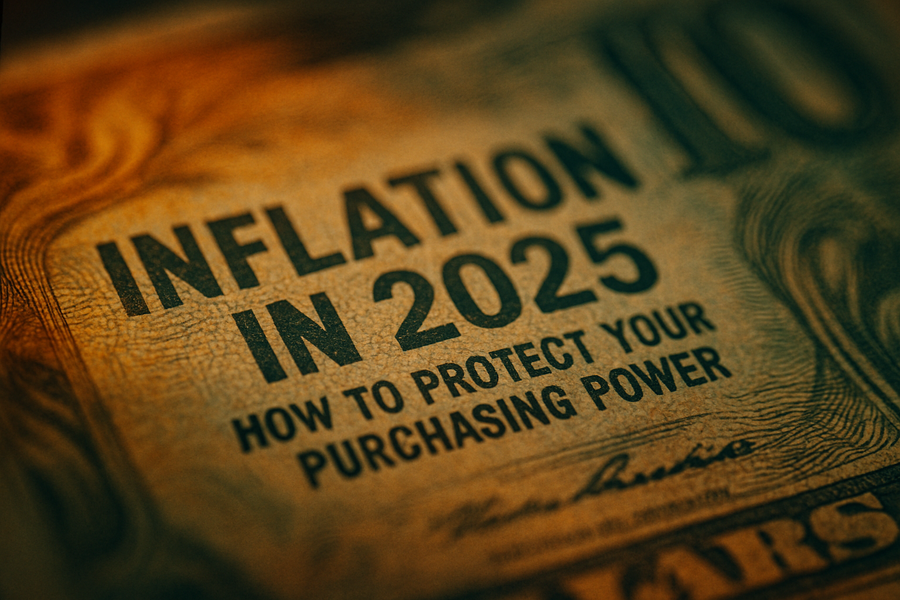
In this post, we’ll dive into what’s driving inflation in 2025, its effects on your everyday life, and — most importantly — practical strategies to help shield your purchasing power.
📈 Understanding Inflation in 2025
Inflation refers to the general increase in prices over time, which reduces the amount of goods and services you can buy with the same amount of money. In 2025, inflation is being fueled by several key factors:
- Supply chain adjustments post-pandemic and global conflicts
- Continued labor shortages, leading to wage hikes
- Central bank policies maintaining relatively low interest rates
- Increased consumer demand following economic recovery
These trends are causing price increases across sectors—from food and fuel to housing and healthcare.
💡 How Inflation Affects Your Purchasing Power
When inflation rises and your income does not keep pace, your purchasing power shrinks. For example:
- A $100 grocery bill in 2023 could cost $110 or more in 2025
- Retirement savings may lose real value if not properly invested
- Fixed income earners (like retirees) may feel the pinch the most
Understanding these impacts is the first step toward protecting yourself financially.
🛡️ Strategies to Protect Your Purchasing Power
Here are some proactive steps to help preserve—and even grow—your financial strength in an inflationary climate:
1. Invest in Inflation-Protected Assets
- TIPS (Treasury Inflation-Protected Securities): Government bonds indexed to inflation
- Commodities and Real Assets: Gold, oil, and real estate often rise with inflation
- Stocks in resilient sectors: Consumer staples and utilities tend to hold value better
2. Diversify Your Portfolio
Avoid putting all your eggs in one basket. Spread investments across asset classes, industries, and geographies to reduce risk and enhance long-term growth potential.
3. Increase Your Income Streams
Consider:
- Freelancing or side gigs
- Asking for a cost-of-living raise
- Investing in skills that boost your earning potential
More income gives you a buffer against rising expenses.
4. Adopt Smart Budgeting Habits
- Track spending and cut non-essential expenses
- Buy in bulk before prices rise further
- Use cashback rewards and coupons
Every dollar saved stretches further in high-inflation times.
5. Pay Down High-Interest Debt
Inflation can make some fixed-rate debt cheaper in real terms, but variable-rate debt gets more expensive. Prioritize paying off high-interest credit cards and loans.
🔮 Looking Ahead: Planning for the Long Term
While no one can predict inflation with certainty, staying informed and adaptable is your best defense. Regularly review your financial goals, rebalance your investment portfolio, and consult with a financial advisor.
Planning ahead today can mean greater financial security tomorrow.
✅ Final Thoughts
Inflation in 2025 is a reality, but it doesn’t have to derail your financial plans. With smart investing, disciplined budgeting, and a proactive mindset, you can protect your purchasing power and stay on track toward your goals.
Stay educated, stay flexible, and most importantly—take action.
Have tips of your own for beating inflation? Share them in the comments below!