The Psychology of Spending: Why We Buy What We Don’t Need
The Psychology of Spending: Why We Buy What We Don’t Need
We’ve all been there — walking into a store for one item and walking out with a bag full of things we never intended to buy. Whether it's the thrill of a flash sale or the allure of retail therapy, understanding why we spend money on non-essentials is key to taking control of our finances.
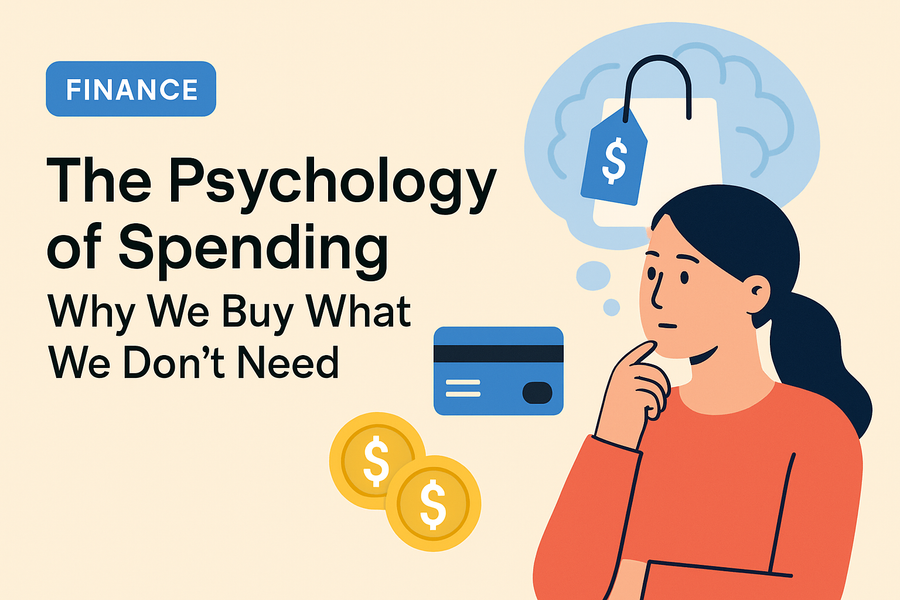
In this post, we'll dive into the psychology behind our spending habits, discuss the behavioral patterns that drive unnecessary purchases, and offer tips to shift your money mindset toward smarter financial decisions.
🎯 The Emotional Drivers of Spending
Emotions play a huge role in our financial behavior. Many of us use spending as a coping mechanism for stress, boredom, or even happiness. This phenomenon, often referred to as "emotional spending," is a major reason why we buy things we don’t need.
- Stress and Anxiety: Shopping can offer a temporary sense of control or pleasure during stressful times.
- Reward Seeking: After a long week, treating yourself to something new feels like a reward — but those small rewards add up quickly.
- FOMO (Fear of Missing Out): Limited-time offers and trending products trigger urgency, pushing us to buy before thinking.
Recognizing these emotional triggers is the first step in curbing impulsive purchases.
🧠 Cognitive Biases and Spending Habits
Our brains are wired to make snap decisions, which isn’t always helpful when it comes to spending wisely. Here are some common cognitive biases that influence our purchases:
- Anchoring: Seeing a $200 coat marked down to $99 makes us feel like we’re getting a deal—even if we don’t need another coat.
- The Sunk Cost Fallacy: We continue subscribing or spending money on services we don’t use simply because we've already paid for them.
- Confirmation Bias: We seek out information that justifies a purchase we’ve already decided to make.
Being aware of these tendencies can help you pause and reconsider purchases more critically.
👥 The Social Influence Factor
Social proof and peer pressure also play a significant role in our buying decisions. Whether it's social media influencers showcasing the latest gadget or friends upgrading their tech, we often feel compelled to keep up.
- Status Spending: Buying luxury items for the sake of image rather than function.
- Comparison Trap: Measuring our success against others based on material possessions.
Understanding that not all spending adds value to your life can free you from the cycle of keeping up with appearances.
💭 How to Shift Your Money Mindset
Changing your relationship with money starts with awareness and intentionality. Here are some practical steps to improve your financial behavior:
- Track Your Spending: Use apps or spreadsheets to see where your money is actually going.
- Set Financial Goals: Clear goals help prioritize needs over wants.
- Practice Mindful Spending: Ask yourself why you're making a purchase and whether it aligns with your values.
- Delay Gratification: Wait 24 hours before making non-essential purchases — you'll often realize you didn't need them.
🔚 Conclusion: Spend Smarter, Live Better
Understanding the psychology behind why we buy things we don’t need empowers us to make better financial choices. By identifying emotional triggers, recognizing cognitive biases, and reshaping your money mindset, you can break free from impulsive spending and build a healthier relationship with your finances.
Remember, mindful spending isn't about deprivation — it’s about intention. When you align your purchases with your goals and values, every dollar you spend adds more meaning to your life.
Ready to take control of your spending habits? Start by observing your next impulse to spend — and choose to invest in your financial well-being instead.